
Get a Quote Instantly!
Clear and Honest Pricing: See detailed pricing, rebates, and recommendations instantly.


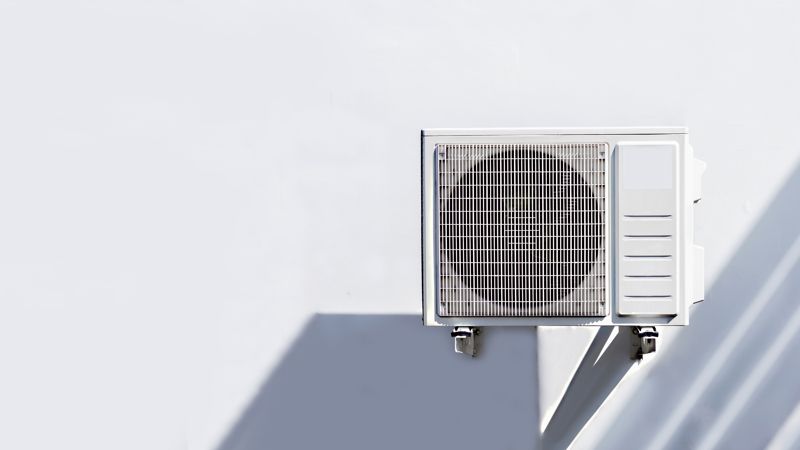
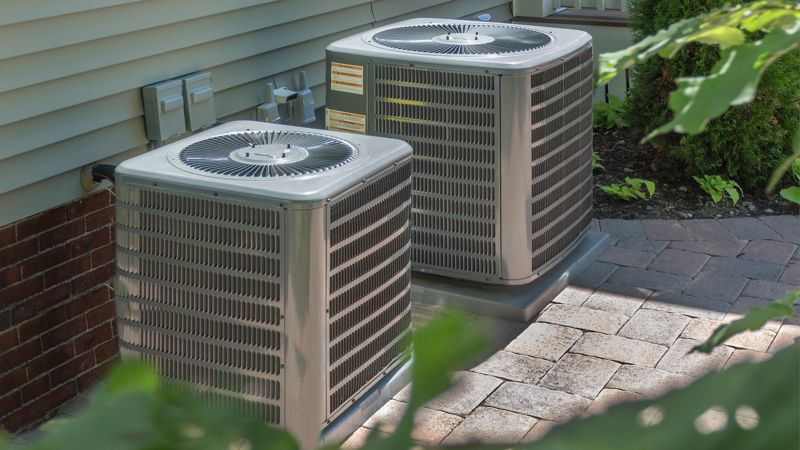
Comprehensive AC Solutions in Beaverton
At Oregon Heating & Air Conditioning, LLC, we understand the importance of an effective AC system during the middle of summer. We offer a wide range of AC services to keep air conditioners fully operational, no matter how hot it gets outside.
Here's an overview of our core AC services:
Professional AC Repair
A malfunctioning AC unit can disrupt your comfort and lead to sleepless nights. Our technicians diagnose and repair all types of air conditioning problems. Whether an AC is making strange noises, blowing warm air, or failing to keep a space cool, we'll promptly assess the system, provide upfront pricing, and get it running smoothly in no time.
In addition to repairs, our technicians perform thorough inspections during service visits to pinpoint potential issues before they become major problems. This proactive approach helps ensure your AC system's reliability and efficiency over the long run. We also offer routine maintenance plans to keep your system in top shape, which include cleaning, filter replacement, and performance testing. By prioritizing repairs and upkeep, we help you avoid costly replacements, extending the lifespan of your air conditioning system.
AC Installation & Replacement in Beaverton
We offer a wide selection of high-quality AC units from leading brands, and our expert technicians ensure the new system is installed correctly for optimal performance and energy efficiency. We handle every aspect of the installation process, from sizing and selection to ductwork and final testing, for a seamless and stress-free experience.
Our team also guides you in selecting the right AC unit based on size, energy efficiency, and specific cooling requirements. We understand that a well-suited system enhances comfort and minimizes energy bills. During replacements, we ensure that the transition from an old to a new system is smooth, minimizing downtime and inconvenience. We also assess the existing ductwork and insulation, offering solutions to enhance overall cooling efficiency where needed.
Ductless Mini-Split Systems for Every Space
Ductless mini-splits are an excellent option for homes and businesses without existing ductwork or those looking to add cooling to specific areas. These versatile systems offer individual temperature control for different zones, providing customized comfort and energy savings. Our technicians are trained in the design and installation of ductless mini-split systems.
In addition to installation, we provide comprehensive service and maintenance for ductless systems. This includes regular cleaning of unit filters and coils to maintain efficiency and prevent issues. Our design service ensures that each system is tailored to the unique requirements of your property, optimizing equipment placement and performance for maximum benefit. Whether augmenting existing systems or implementing a completely new solution, we ensure that ductless options meet the highest comfort and energy conservation standards.

Troubleshooting a Malfunctioning AC Unit in Beaverton
Are you experiencing a decline in an air conditioner's performance? A variety of factors can contribute to inadequate cooling. While a professional assessment is always recommended, understanding potential causes can help you take proactive steps and better understand the scope of the issue.
Here are some common reasons an AC unit may struggle to cool effectively:
- Refrigerant leaks: Refrigerant is essential for heat absorption within the AC system. Leaks can significantly hinder cooling capacity.
- Air filter restrictions: A clogged air filter impedes proper airflow, reducing cooling efficiency and potentially leading to system strain. Regular filter replacements are crucial.
- Thermostat malfunctions: A malfunctioning thermostat may inaccurately read temperatures or fail to signal the unit correctly, disrupting proper operation.
- Electrical complications: Issues such as faulty wiring, tripped breakers, or a malfunctioning capacitor can disrupt the electrical supply to the unit, preventing operation.
- Frozen evaporator coil: Ice formation on the evaporator coil can obstruct airflow and hinder cooling. This may result from restricted airflow (due to a dirty filter), low refrigerant, or a malfunctioning blower fan.
- Compromised ductwork: Leaky or blocked ductwork can impede airflow and diminish overall system efficiency.
- Outdoor unit obstructions: The outdoor unit requires sufficient airflow. Obstructions like debris, overgrown vegetation, or nearby structures can compromise performance.
- Component degradation: Over time, components like the compressor, fan motor, or capacitors can wear out, reducing cooling capacity or system failure.
Regular maintenance is key to preventing these issues. Regular check-ups can help identify potential problems early, ensuring that your AC unit operates effectively throughout the season. During inspections, professional technicians can clean coils, check refrigerant levels, and make sure all electrical components function correctly. This enhances performance and prevents unexpected breakdowns during peak usage times. Oregon Heating & Air Conditioning, LLC strongly recommends consultation with a qualified HVAC technician for accurate diagnosis and repair. Attempting to resolve complex AC issues without professional expertise can exacerbate the problem or pose safety hazards. Call the dependable air conditioning company Beaverton homeowners trust.
What Our Customers Are Saying


-
"Nathan came today and did an additional inspection today. He also did an excellent job and was very informative."
Julian came out yesterday. He was on-time, courteous and did an excellent job. Tell him we said Thanks. You sent a text for a review and if you send this to us by email I would be glad to give a good review.
Pass along a Go Buckeyes for me. He'll get a chuckle out of it🙂
Nathan came today and did an additional inspection today. He also did an excellent job and was very informative. Please pass along a thanks.
I am pretty sure we will be looking into a new furnace this fall or spring 2027. We will contact you at that time- Kirk M. -
"Mr. Nathan, who visited today, was extremely professional."Mr. Nathan, who visited today, was extremely professional. Although the system we asked him to inspect turned out to be outside the scope of Oregon Heating's services, he kindly took the time to refer us to another specialist who would be able to help. We truly appreciate his assistance.
-
Nathan and Julian serviced our AC and furnace this morning. They are wonderful representatives of your company! They are both knowledgeable ,efficient ,and enjoyable to work with. We feel we have the information we need to plan for repairs that need to be made. We will be calling in the near future!
- Tammy and Mark W. -
"I'm glad I chose your company for service"I was really happy with the service I got from your company. When my tech arrived I opened the door he introduced himself with a pleasant smile he was very polite and professional he put me at ease with his knowledge and professional manner . I'm glad I chose your company for service Thank you Eileen S- Eileen S.
-
"We are warm again just in time for Christmas!"We have been with Oregon Heating for 19 years They have always been fair and done great work Our heat went out and they had a technician out quickly within an hour after we called Stephen diagnosed the problem quickly and repaired the igniter in no time We are warm again just in time for Christmas.
-
"Your Whole Team Was Great!"
By the way, I normally don’t do reviews, but you and your guys did an outstanding job, so I’m going to make an exception.
It seems that good customer service is becoming increasingly difficult to find these days.
Oregon Heating & Cooling understands good great customer service, and I appreciate that very much.
If possible, please extend my thanks to all those involved.
- Robert -
"I couldn’t be more pleased with the result."Both were very friendly and knowledgeable and seemed to enjoy their work.- Tom T.
-
"Prompt and Courteous"Steven was prompt, courteous, and seemed to know what he was doing. He made sure to go over everything that he did at the end of the check-up, and sent us a very detailed report. I enjoyed talking with him.- Vivian
Optimizing Air Conditioning Efficiency in Beaverton
Maintaining optimal air conditioning efficiency is vital for both comfort and energy conservation. Proactive measures can significantly impact system performance and longevity while reducing energy expenditures.
Tips to maximize AC efficiency include:
- Prioritize air filter maintenance: Regular air filter replacement is paramount. Clogged filters impede airflow, reduce cooling efficiency, and strain the system. Replace filters every 1-3 months, particularly during periods of high usage.
- Schedule professional service: Qualified HVAC technicians must inspect your system annually. Professional maintenance identifies potential issues, optimizes performance, and extends equipment lifespan.
- Minimize air leaks: Thoroughly seal windows and doors to prevent conditioned air loss. Weatherstripping and caulking are effective measures to reduce energy waste.
- Implement strategic thermostat management: Programmable or smart thermostats facilitate temperature adjustments based on occupancy patterns, optimizing energy usage throughout the day.
- Maintain outdoor unit clearance: Make sure the outdoor unit remains free from obstructions such as debris, vegetation, and nearby structures. Unrestricted airflow is crucial for efficient operation.
- Utilize fans for air circulation: Ceiling fans and other fans promote air circulation, reducing reliance on the AC system and enhancing comfort.
- Employ shading techniques: Minimize direct sunlight exposure through strategic landscaping or window coverings, particularly during peak heat hours.
- Enhance home insulation: Adequate insulation prevents heat infiltration, reducing cooling demands and improving energy efficiency.
- Consider high-efficiency upgrades: If an aging or inefficient unit necessitates replacement, explore high-SEER models for long-term energy savings and enhanced performance.
Another strategy is to calibrate your thermostat settings to match your comfort needs rather than setting it at a potentially lower-than-necessary standard. This simple adjustment can lead to significant energy savings over time. Moreover, upgrading to modern HVAC systems can offer better control and connectivity features, further optimizing performance. By implementing these recommendations, you can help your air conditioning systems operate at peak efficiency, providing optimal comfort while minimizing energy consumption. Consult with Oregon Heating & Air Conditioning, LLC, the trusted ac company Beaverton homeowners and business owners call for expert guidance and professional service to maximize AC performance and longevity.


